Psychologist Eduardo Santos
How to Overcome Controlling relationship with an abusive partner's family
Complete guide with signs, consequences, and paths to healing
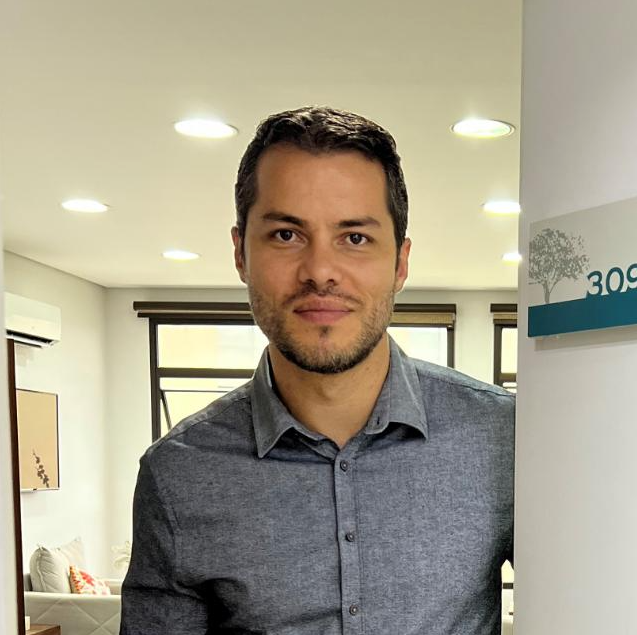
A controlling relationship is one in which one partner systematically limits the other's freedom, autonomy, and self-determination. Control can take many forms — financial, social, physical, emotional — and rarely announces itself as control. It typically presents as 'protection,' 'concern,' or 'love.'
The gradual nature of control is what makes it so difficult to identify. Each individual restriction may seem small or justifiable in isolation. It is only when you step back and see the full picture that the pattern becomes visible: you are no longer living your own life — you are living the life your partner approves of.
Recognizing this is not a failure on your part. The most capable, intelligent people can find themselves in controlling relationships. Control exploits love, loyalty, and the human desire for connection.
Signs of controlling relationship with an abusive partner's family
- !They make decisions for you without consulting you, from small choices to major life decisions
- !Your access to money, even your own income, is controlled or monitored by them
- !You need their approval to spend time with friends or family, or you have stopped seeing people they disapprove of
- !They criticize your parenting, your work performance, your appearance, or your choices in ways that keep you feeling inadequate and dependent on their approval
- !You feel you are constantly walking on eggshells — monitoring their mood and adjusting your behavior to avoid their anger or disapproval
- !They have access to all your accounts, devices, and communications — framed as 'transparency in the relationship'
- !You have lost a sense of who you are outside of this relationship
What to Do
- 1Name the pattern clearly: this is control, not love. This clarity is the foundation of everything that comes next
- 2Begin rebuilding small areas of autonomy — an account they do not access, a friendship they do not monitor, a decision you make without asking
- 3Build a confidential support system of people outside the relationship who know what is happening
- 4Consult a professional — therapist or domestic violence specialist — to help you understand your options and create a safety plan if needed
- 5Understand that control typically escalates: the appropriate response is not to give more, but to insist on less
Develop Your Emotional Superpowers
Psychologist Eduardo Santos' complete method.
Psychological Impact
The long-term impact of a controlling relationship is the erosion of individual identity. Gradually, your sense of what you want, what you like, what you believe, and who you are becomes shaped entirely by the other person's preferences and reactions. When the relationship ends — or even while it continues — many people realize they no longer know who they are.
Controlling relationships significantly increase the risk of anxiety, depression, and PTSD. The constant monitoring and criticism also impact professional performance and physical health.
⚡When to Seek Professional Help
If you have lost significant freedoms — social, financial, professional, or physical — within this relationship, or if you feel genuine fear about the consequences of asserting yourself, please reach out to a professional or a domestic violence organization. You do not have to be in physical danger for your situation to be serious and worthy of support.
“Real love expands your world — it does not shrink it. You deserve a relationship where you can be fully, freely yourself.”
— Psychologist Eduardo Santos
Develop Your Emotional Superpowers
In the e-book Superpowers Against Abusive Relationships, Psychologist Eduardo Santos teaches how to transform self-esteem and self-confidence into tools of protection and liberation.
I Want to Break Free Now149 five-star ratings on Doctoralia · 7-day guarantee
Frequently Asked Questions
What are the main signs of controlling relationship with an abusive partner's family?
How to deal with controlling relationship with an abusive partner's family?
Is it possible to overcome controlling relationship?
Psychologist Eduardo Santos
Clinical psychologist focused on emotional health, relationships, and self-esteem. 149 five-star ratings on Doctoralia. Author of Superpowers Against Abusive Relationships.
About the author →