Psychologist Eduardo Santos
Signs of Excessive jealousy with someone with avoidant attachment
Complete guide with signs, consequences, and paths to healing
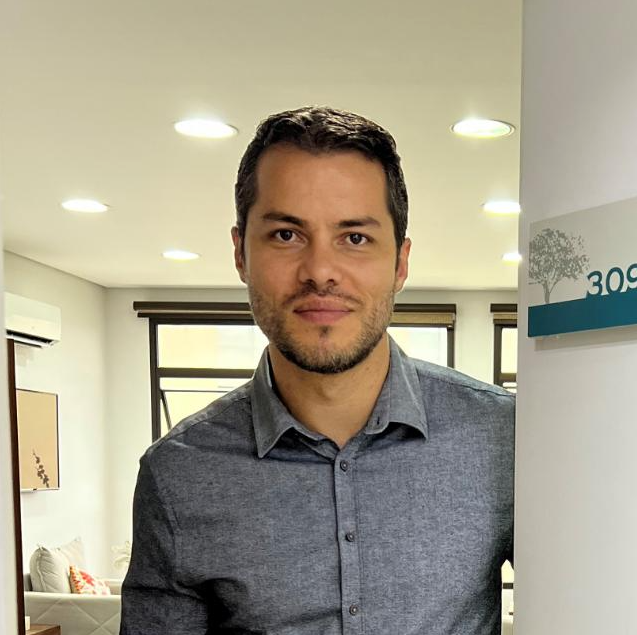
Jealousy in relationships is normal. But when jealousy becomes excessive, controlling, and a source of ongoing fear or conflict, it crosses from a natural emotion into a relational problem that requires attention.
Excessive jealousy is often rooted in insecurity, past experiences of betrayal, or anxious attachment styles. The jealous partner experiences genuine pain — their fear of losing you is real. But the way they respond to that fear (control, surveillance, accusations, anger) causes real harm to the relationship and to you.
Understanding the root does not mean accepting the behavior. You can have compassion for someone's fear and still insist that how they express it is not acceptable.
Signs of excessive jealousy with someone with avoidant attachment
- !They check your phone, social media, or location without your consent, justifying it as 'needing to know you are safe'
- !They become upset, accusatory, or punishing when you spend time with friends, family, or colleagues of any gender
- !They make you feel guilty for interactions that are completely innocent — a conversation at work, a like on social media
- !They demand constant updates on your location and become anxious or angry if you do not respond immediately
- !They have accused you of infidelity without evidence, based only on their fear
- !Arguments about jealousy are frequent and exhausting, cycling without resolution
- !You have started limiting your own social life to avoid triggering their jealousy
What to Do
- 1Have a clear conversation about what is and is not acceptable: jealousy as a feeling is understandable, jealousy as controlling behavior is not
- 2Encourage (or insist on) individual therapy for the jealous partner — jealousy at this level has roots that require professional support to address
- 3Do not sacrifice your friendships, career, or freedom to manage their jealousy — that is not a solution, it is a reinforcement
- 4Consider couples therapy if both partners are committed to change, but only if the jealousy has not crossed into abusive territory
- 5Track your own limits: if jealousy has led to isolation, surveillance, or fear, this has moved beyond jealousy into controlling or abusive behavior
Develop Your Emotional Superpowers
Psychologist Eduardo Santos' complete method.
Psychological Impact
Excessive jealousy, unaddressed, tends to escalate. What begins as occasional accusations or discomfort with your social connections can progress over time into surveillance, isolation, and control. Research consistently shows that jealousy is a major predictor of partner violence.
For the partner on the receiving end, living with excessive jealousy creates chronic anxiety, self-censorship, and a gradual erosion of freedom and identity. You begin to manage your life around the other person's reactions rather than your own needs and desires.
⚡When to Seek Professional Help
Seek professional help — individually or as a couple — if jealousy is a recurring source of conflict, if you have noticed your own freedom shrinking to accommodate it, or if jealousy has ever led to threats, physical aggression, or surveillance. These are serious warning signs that require immediate professional attention.
“Healthy love is built on trust, not surveillance. You deserve to move freely in the world and still be fully loved.”
— Psychologist Eduardo Santos
Develop Your Emotional Superpowers
In the e-book Superpowers Against Abusive Relationships, Psychologist Eduardo Santos teaches how to transform self-esteem and self-confidence into tools of protection and liberation.
I Want to Break Free Now149 five-star ratings on Doctoralia · 7-day guarantee
Frequently Asked Questions
What are the main signs of excessive jealousy with someone with avoidant attachment?
How to deal with excessive jealousy with someone with avoidant attachment?
Is it possible to overcome excessive jealousy?
Psychologist Eduardo Santos
Clinical psychologist focused on emotional health, relationships, and self-esteem. 149 five-star ratings on Doctoralia. Author of Superpowers Against Abusive Relationships.
About the author →