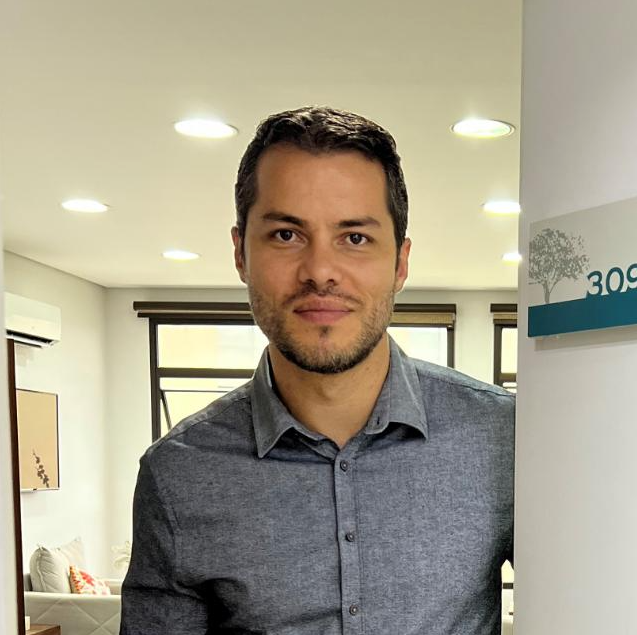
Psychologist Eduardo Santos
Signs of Psychological violence in a long-term dating relationship
Complete guide with signs, consequences, and paths to healing
Psychological violence is a form of abuse that targets the mind and emotions rather than the body. It includes systematic humiliation, threats, intimidation, manipulation, isolation, and any behavior intended to make the victim feel afraid, worthless, or controlled.
In many countries, psychological violence is legally recognized as a form of domestic violence, even in the absence of physical harm. The psychological impact of this type of abuse can be as severe as — and sometimes more lasting than — physical violence.
Psychological violence is particularly difficult to document and prove. It often leaves no physical evidence, operates through plausible deniability, and is frequently minimized by the victim, the abuser, and even by others. If you are experiencing it, your suffering is real and valid, regardless of whether anyone else can see the marks.
Signs of psychological violence in a long-term dating relationship
- !The person uses threats — of harm to you, themselves, or your children — to keep you compliant or prevent you from leaving
- !Humiliation is a regular occurrence, either privately or in front of others
- !You are subjected to constant criticism that attacks your character, intelligence, or worth as a person
- !They use your children, finances, immigration status, or other vulnerabilities as tools to control you
- !You are monitored, surveilled, or followed in ways that feel threatening
- !They have threatened to harm themselves if you leave — a form of emotional hostage-taking
- !You live in a state of constant fear, even when no overt threat is present
What to Do
- 1Take your safety seriously: psychological violence frequently escalates to physical violence. Begin planning for your safety now
- 2Document incidents: dates, descriptions, any messages or recordings that capture the behavior
- 3Reach out to a domestic violence organization — they can provide safety planning, legal guidance, and emotional support
- 4Do not confront the person alone about their behavior if you have reason to fear their reaction — do so with a professional or trusted third party present
- 5Know your legal rights: many countries have laws specifically addressing psychological violence and providing legal remedies
Develop Your Emotional Superpowers
Psychologist Eduardo Santos' complete method.
Psychological Impact
The impact of psychological violence on mental health mirrors that of physical trauma. Victims frequently develop PTSD, severe depression, anxiety disorders, and a profound loss of self-worth. The fear state created by ongoing threats and humiliation activates the body's stress response chronically, with significant physical health consequences.
Children who witness psychological violence between their caregivers are also deeply affected — developing anxiety, behavioral problems, and internalized beliefs about relationships that can persist into adulthood without intervention.
⚡When to Seek Professional Help
Please seek support immediately if you are experiencing threats, ongoing humiliation, or behaviors that make you afraid. Contact a domestic violence hotline, a therapist, or trusted support in your community. Your fear is a valid signal — it is telling you something important about your safety.
“Your pain is real, even when it leaves no visible marks. You deserve safety, dignity, and peace in your home and your life.”
— Psychologist Eduardo Santos
Develop Your Emotional Superpowers
In the e-book Superpowers Against Abusive Relationships, Psychologist Eduardo Santos teaches how to transform self-esteem and self-confidence into tools of protection and liberation.
I Want to Break Free Now149 five-star ratings on Doctoralia · 7-day guarantee
Frequently Asked Questions
What are the main signs of psychological violence in a long-term dating relationship?
How to deal with psychological violence in a long-term dating relationship?
Is it possible to overcome psychological violence?
Psychologist Eduardo Santos
Clinical psychologist focused on emotional health, relationships, and self-esteem. 149 five-star ratings on Doctoralia. Author of Superpowers Against Abusive Relationships.
About the author →